



Water damage isn’t always obvious. While major leaks lead to visible puddles and soaked carpets, hidden water damage can quietly affect your home or business for weeks or months before you notice it. This type of damage can weaken structures, encourage mold growth, and lead to costly repairs if left untreated. The key to protecting your property is understanding the early, subtle signs of hidden water damage so you can act quickly and prevent bigger problems down the road.
Hidden water damage occurs when moisture is present in places you can’t see — such as inside walls, beneath floors, or above ceilings. It often stems from slow leaks in plumbing, roof issues, or poor drainage around the foundation. Because it isn’t always visible immediately, recognizing the early warning signs is essential for every property owner.
One of the earliest indicators of hidden water damage is a musty or earthy smell. This odor often comes from mold or mildew growing in concealed areas like wall cavities, crawlspaces, or under flooring. Even if you don’t see mold yet, that smell is a strong hint that moisture is trapped somewhere nearby.
Tip: If the smell gets stronger in certain rooms — such as basements, closets, or behind furniture — it’s likely tied to hidden moisture.
Yellow, brown, or rust‑colored stains on drywall or ceilings are classic signs of water infiltration. These marks can start small but grow over time if the leak persists. Ceiling stains usually indicate water entering from above — such as a roof or second‑floor plumbing issue — while wall stains may relate to internal plumbing leaks or external water intrusion.
Moisture trapped under surface coatings causes decorative materials to fail:
These material failures occur because water weakens the bond between the surface and the wall beneath it — often before you can see the moisture itself.
Flooring materials like hardwood and laminate expand and buckle when they absorb water. You might notice:
Even tile floors aren’t immune — water under the surface can break down adhesives, causing tiles to shift. These changes often signal moisture below the floor surface.
Your water bill can be a silent alarm system. If your household usage hasn’t changed — but the bill increases significantly — you might have a hidden leak somewhere in the plumbing system. Slow leaks behind walls or under floors can waste hundreds of gallons before you see any physical signs of damage.
Pro tip: Check your water meter before bed and again in the morning before any water usage — if it moves, you likely have a leak.
Mold thrives in damp conditions and can grow within 24–48 hours of moisture exposure. If you notice mold in places that aren’t normally humid — such as living rooms, closets, or high walls — this is a sign of moisture behind the surface. Mold can appear as black, green, or white patches and often comes with a musty smell.
Note: Mold isn’t just unsightly — it can affect air quality and health, especially for people with allergies or asthma.
Drywall that feels soft to the touch, sags, or develops a spongy texture often means water has saturated the material. This can happen long before you see outward stains, especially if the leak is slow or intermittent. Over time, wet drywall loses its structural integrity and may eventually crumble.
Sometimes water damage doesn’t show itself — but you hear it. If you hear dripping, trickling, or running water when no faucets are on, this is a strong sign of a leak inside walls or under flooring. These auditory clues often happen before visual signs emerge.
Water can seep through poorly sealed or damaged window frames, door frames, and gaps in baseboards. These spots may be harder to detect, but a close inspection often reveals:
These signs often indicate hidden water intrusion from outside sources or condensation issues.
If you observe any of the above signs, it’s important to act quickly:
Take photos and notes — this can be helpful for professionals and insurance claims.
Common culprits include leaky plumbing, roof problems, poor drainage, or condensation issues.
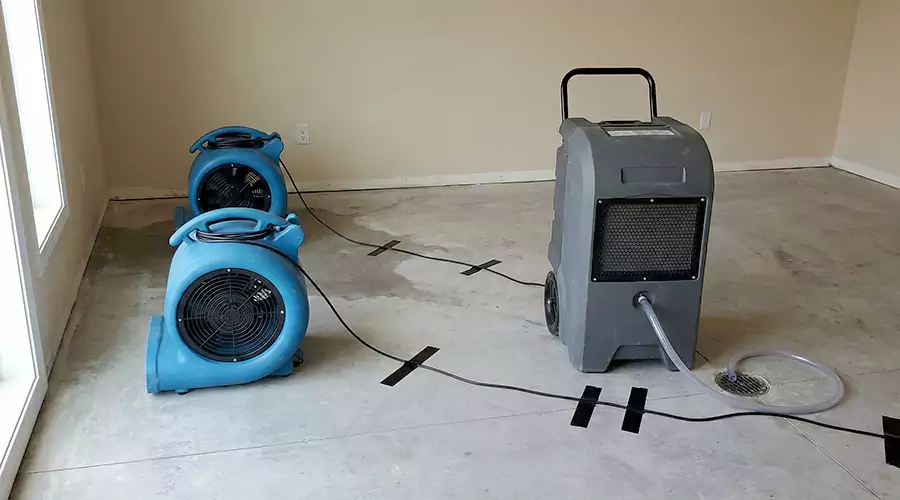
Water damage restoration specialists use tools like moisture meters, thermal imaging, and borescopes to accurately locate hidden moisture without unnecessary demolition. During emergency water extraction, these tools are especially crucial to quickly identify and address problem areas before further damage occurs.
Hidden water damage is one of the most insidious issues a property can face. It often starts far below the surface, creating conditions for mold, structural decay, and costly repairs long before you notice obvious signs. By watching for subtle clues like musty odors, faded stains, warped flooring, or unexplained spikes in your water bill, you can catch problems early and take action before they escalate.
8 Jan, 2025
Our certified experts are ready 24/7 to assist you with emergency restoration services.
GET A QUOTE
